How climate change shapes migration 🌊
& why current migration levels are just the beginning.

When I was home in NYC recently, I was talking to one of my oldest friends about his long-term views on the future.
He works in the green energy industry, and I’m always curious about the insights he gleans from his frequent conversations with climate scientists and other experts on climate change.
Our conversation quickly turned to today’s topic — climate migration — which we both agreed will become one of the most important forces in the world within our lifetimes.

What is climate migration?
Climate migration is when people move from one country or place to another because their previous home has become inhospitable.
This could be due to:
rising temperatures & extreme heat 🌡️🥵
increasingly destructive weather events 🌪⛈️
sea level increases 🌊🚣♀️
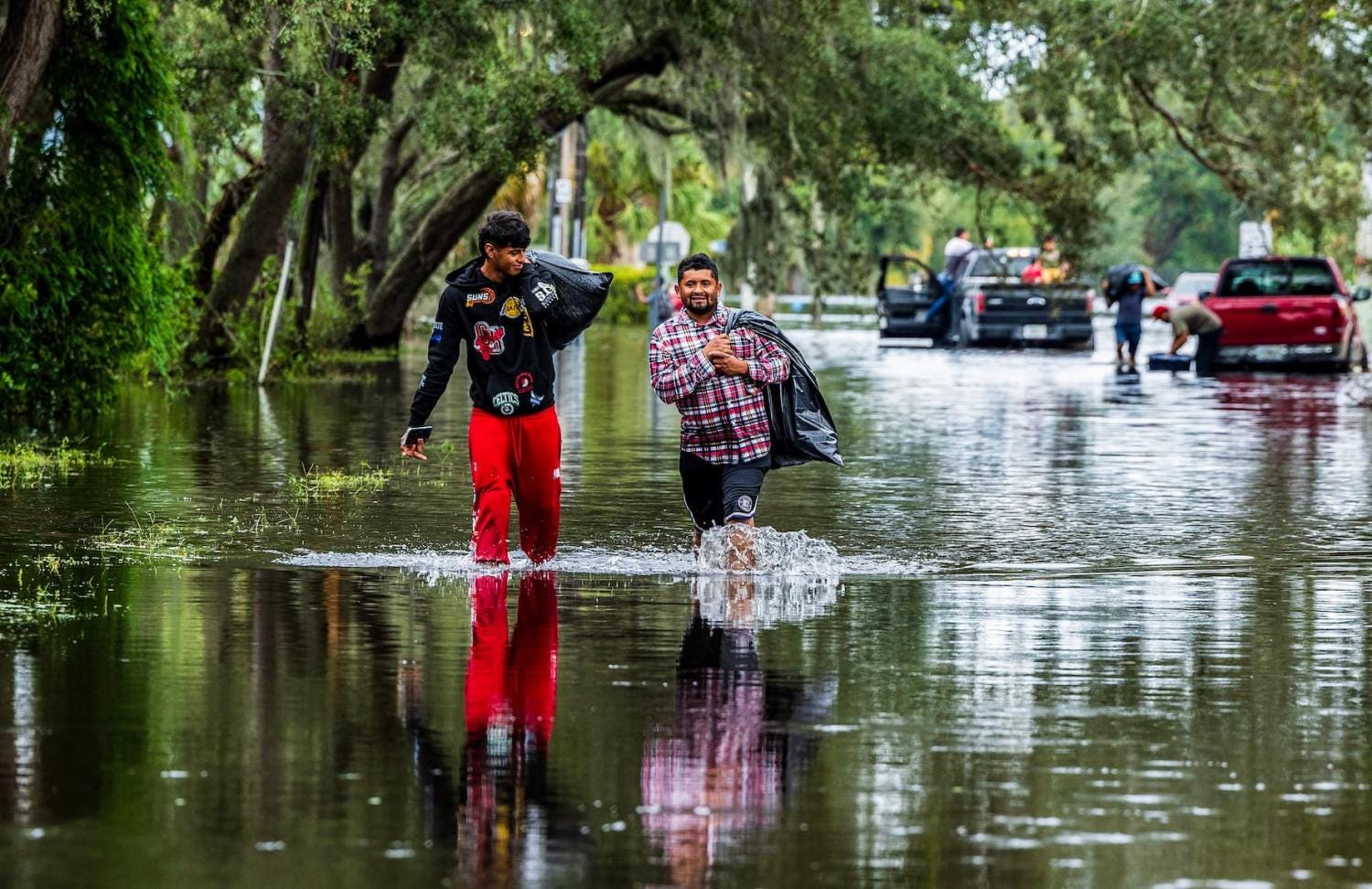
Unfortunately, climate migration is already happening.
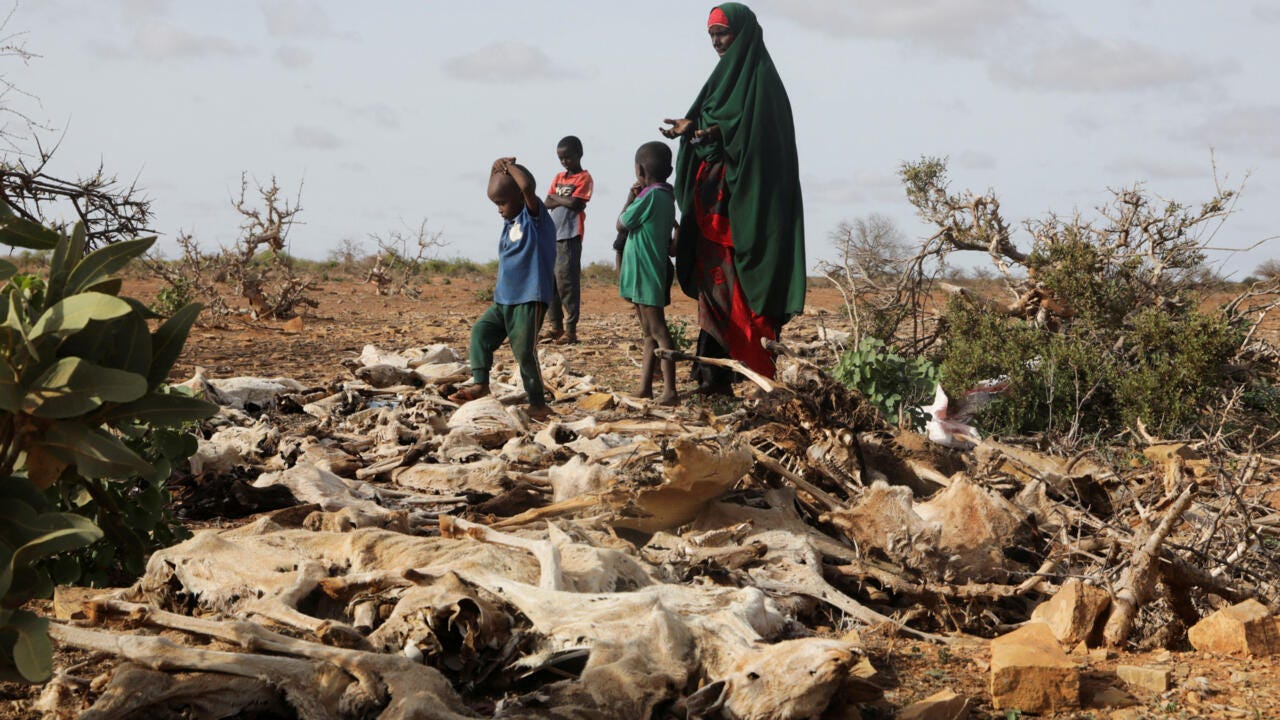
In 2022, more than 1 million Somalis migrated because of persistent drought.
While most of them were internally displaced, we will increasingly see entire countries and regions become uninhabitable to significant parts of their populations.
Climate migration is not new
Archaeological evidence shows that climate change dramatically impacted early human migration during the Last Glacial Maximum (LGM) period approximately 25,000 years ago.
The rapidly melting glaciers that are contributing to rising sea levels today are themselves the remnants of that ice age.
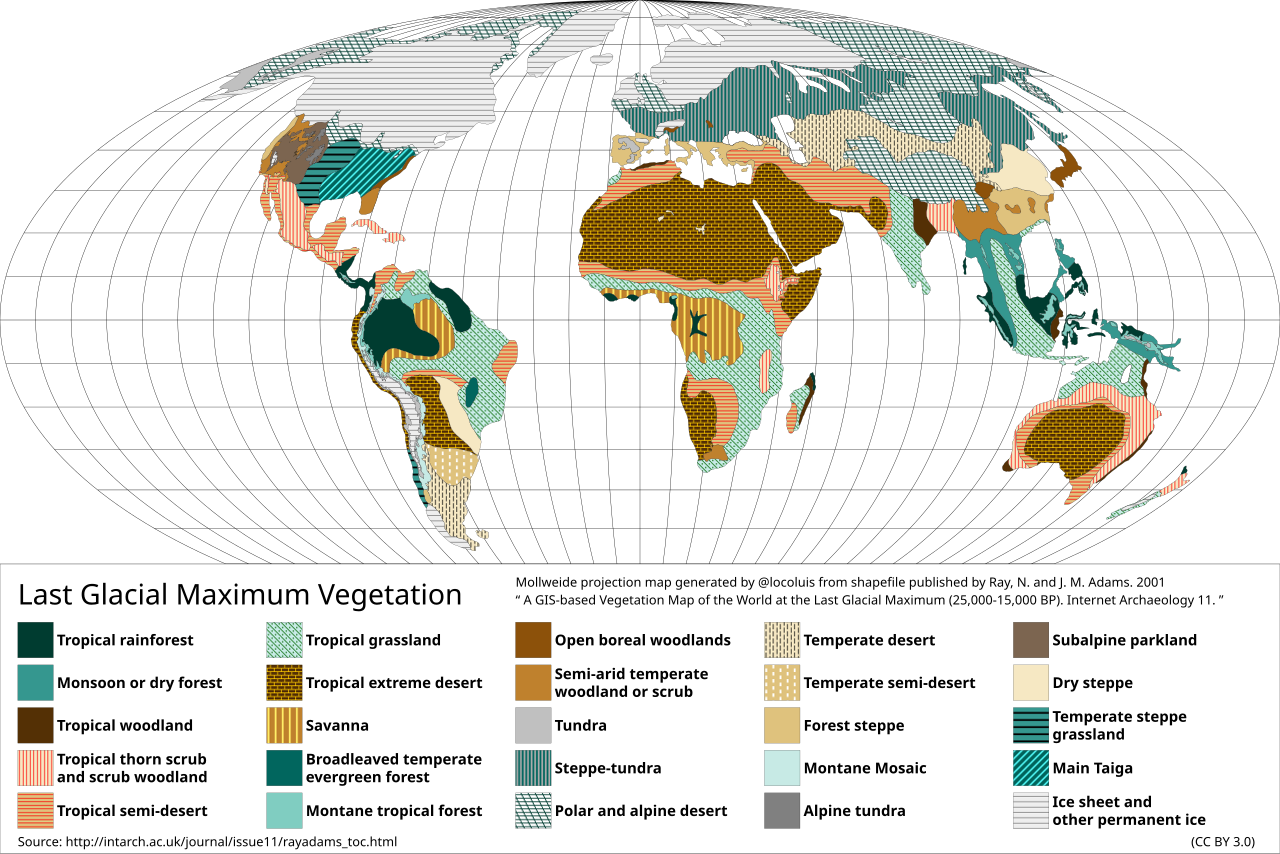
Recent research has also found that this same ice age contributed to a decline in prehistoric hunter-gatherer populations in Europe, as frigid temperatures shrank the number of habitable areas with sufficient prey animal populations for hunter-gatherers to subsist on.
The main feature of the Holocene era that began ~12,000 years ago has been a relatively stable climate.
This stability has allowed the human population to grow from approximately 5 million to more than 7 billion people in just 10,000 years.
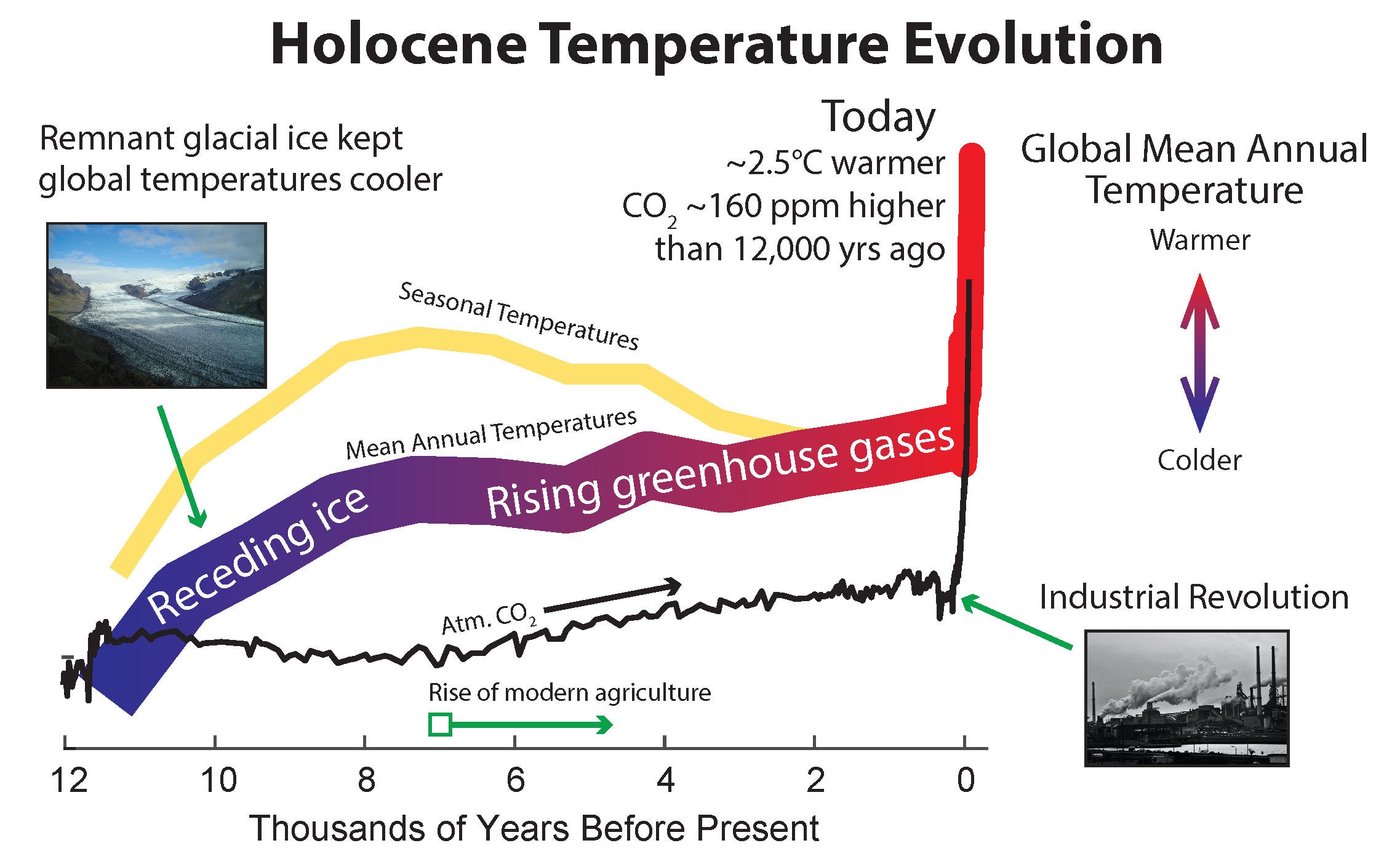
Things have changed dramatically over the last 200 years, as the Industrial Revolution and subsequent economic development led to sky-rocketing CO2 emissions.
And in a world of rapidly rising temperatures and sea levels, the Earth as we know it will look drastically different within 50 years.
What parts of the planet will be most affected?
Climate change will affect every part of the planet, albeit in different ways.
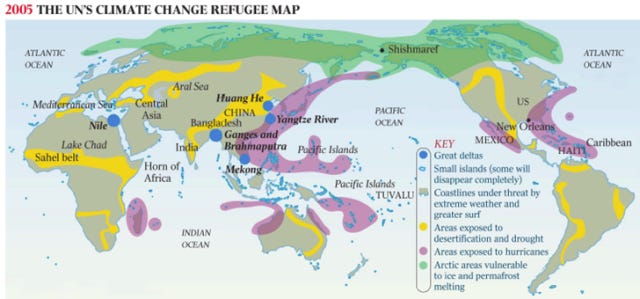
Areas that are currently dry could become desertified, while cold climates like those in Russia and Canada could become more hospitable to human populations.
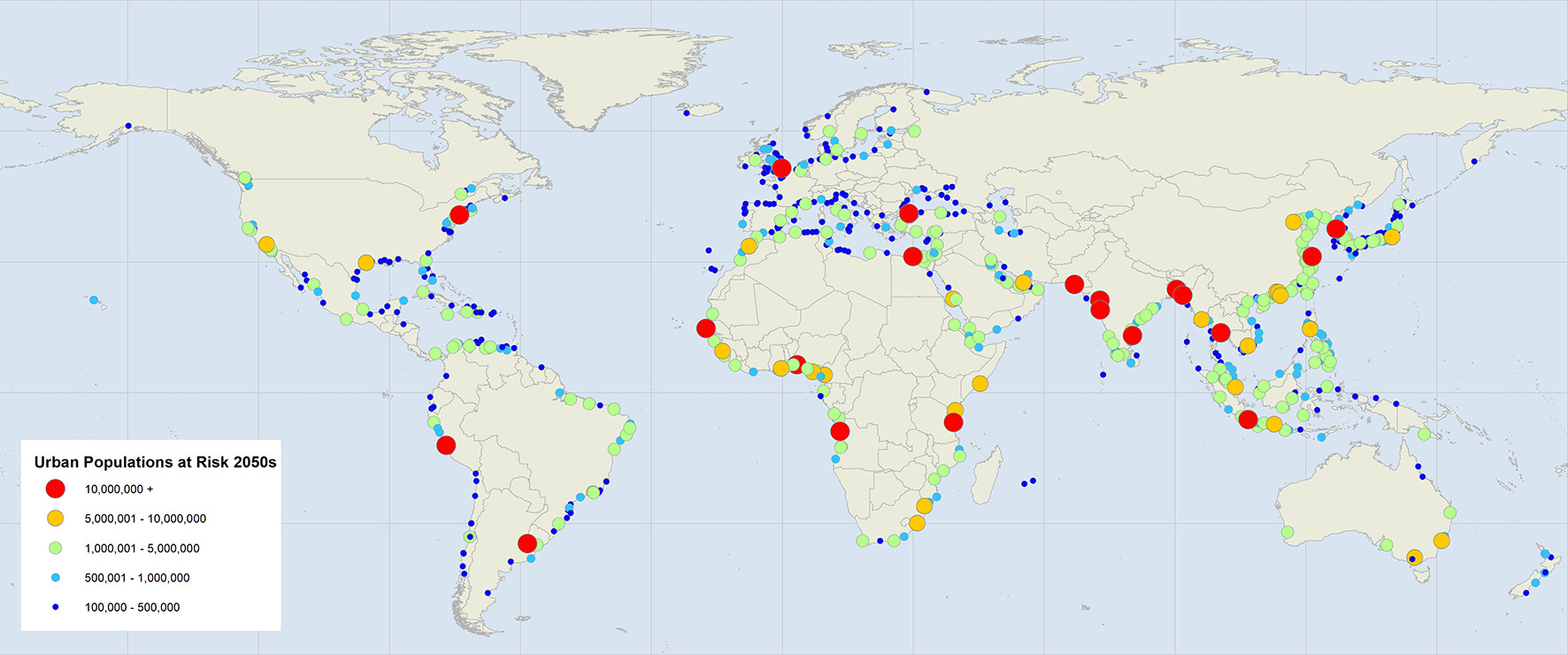
When it comes to the worst effects of climate change, however, Asia and Africa seem to be the areas that will be the most affected over the next half-century.
And given the large & growing populations of these regions, we should expect to see massive outward climate migration from these places in a few decades.
What can be done about climate migration?
On a basic level, we can do two things to prevent and mitigate climate migration:
Limit carbon emissions to slow the pace of climate change
Make communities & cities more resilient and capable of dealing with rising temperatures & sea levels
I believe wholeheartedly that we should do what we can to limit carbon emissions today, but the pessimist in me feels that:
(a) the damage has already been done and climate change will continue apace, largely because
(b) the entire system of global capitalism depends on the burning of fossil fuels, and there is not enough political willpower to challenge that logic before it’s too late.

Even if renewable energy systems like solar or wind power make up a larger share of global energy production in the coming years, we should expect global average temperatures to reach 2°C above pre-industrial levels within the next few decades.
Assuming that this is the base case, climate migration involving tens or possibly hundreds of millions of people will happen.
It’s more a matter of when than if.
And when this happens, we will see a massive political backlash in the (mostly rich and Western) countries that climate migrants will try to flee to.
These relatively cold countries will be the most resilient to climate change’s most devastating effects, although some places in these regions (Florida and much of the Mediterranean basin, for example) will become increasingly uninhabitable due to extreme heat.
This is why I see climate migration as one of the most valuable concepts for understanding what will happen in the 21st century.
The politics of 2050 will make the anti-immigration politics of the last decade look friendly and warm.
As dark as it is, I fully expect borders to harden and state violence against would-be migrants to become the norm within a few decades.
The worst part is that this will all happen in slow motion over the next few decades.
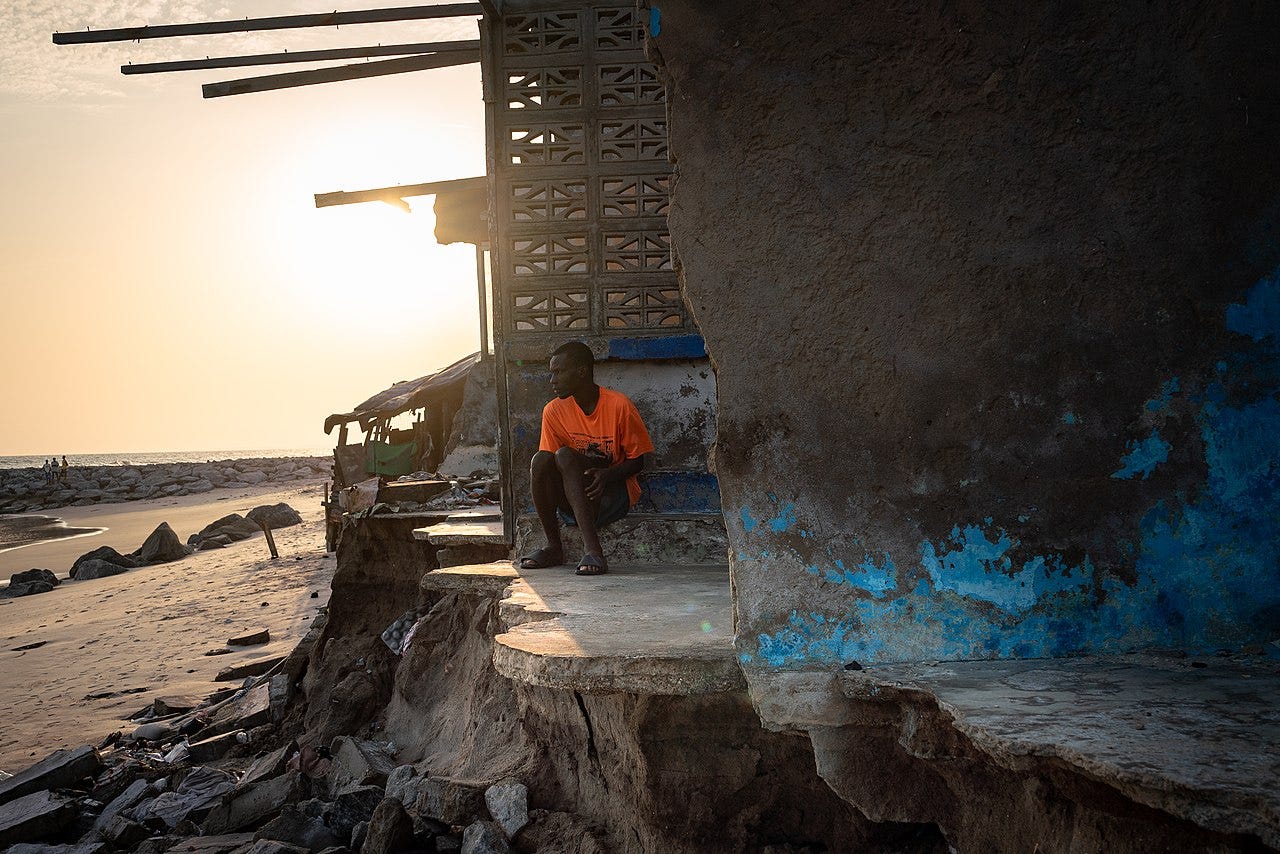
Children will be born and raised in places with no future, some of which will literally be underwater by the end of the century.
I hate to end on such a pessimistic point, but I must conclude here.
Because I don’t want people to get so depressed that they unsubscribe, Wednesday’s newsletter will feature a more positive topic.
P.S. Please consider supporting me and the Daily Concept Media brand with a paid subscription for just $6 per month.
ART OF THE DAY