These rainforests keep the planet alive 🦜
& how does deforestation threaten climate stability?


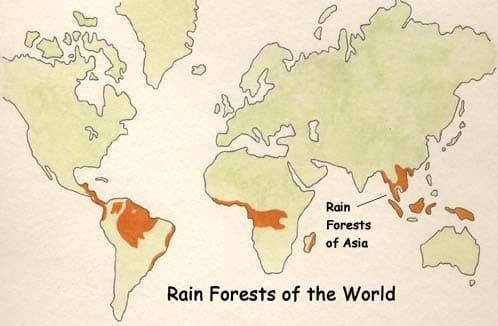
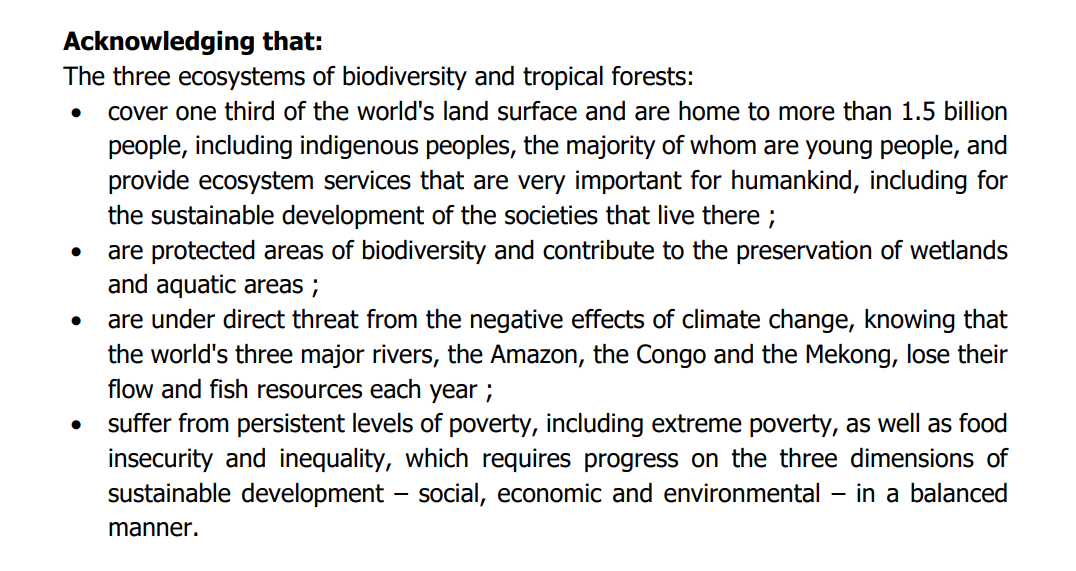
Today’s newsletter is about the Three Rainforest Basins, which are home to:
80% of the world’s remaining tropical rainforests
More than 1.5 billion people
2/3 of the world’s plant and animal species.
In late 2023, representatives from Brazil, Indonesia, and dozens of other countries met in the Republic of Congo in Africa for the Three Basins Summit.
The conference was focused on rainforest conservation, with the participating nations signing a collective Declaration outlining the challenges that deforestation poses for the rainforests.
What are the Three Rainforest Basins?
The three rainforest basins are:
The Amazon Basin, which covers much of Brazil and eight other South American countries
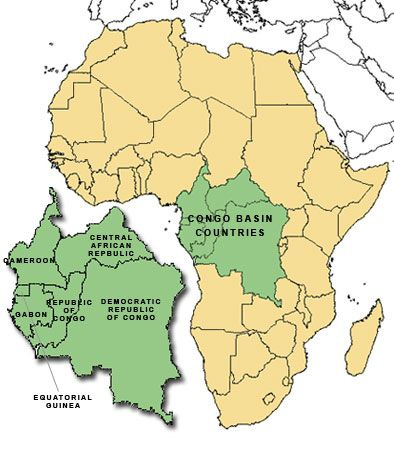
The Congo Basin in Africa, which is home to the second-largest rainforest in the world
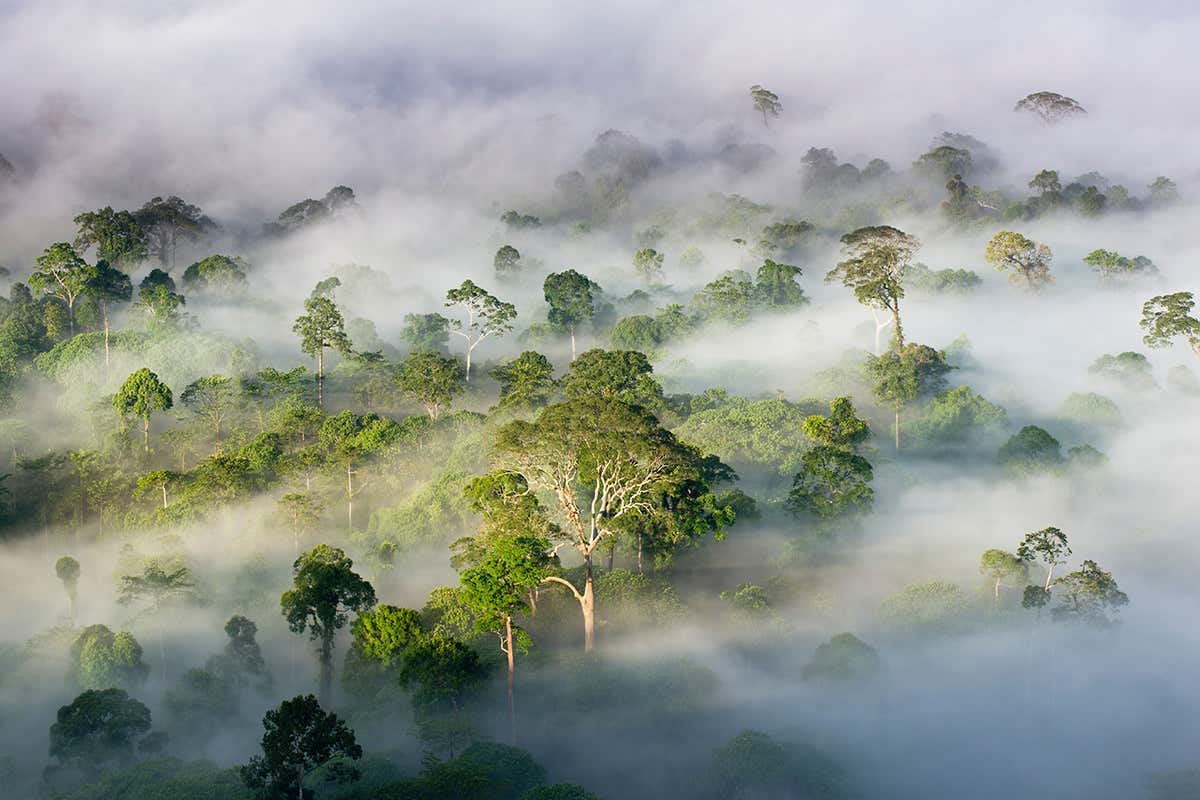
The Borneo-Mekong and Asian Basin, a tropical environment spread across much of Southeast Asia that is home to over 680 million people
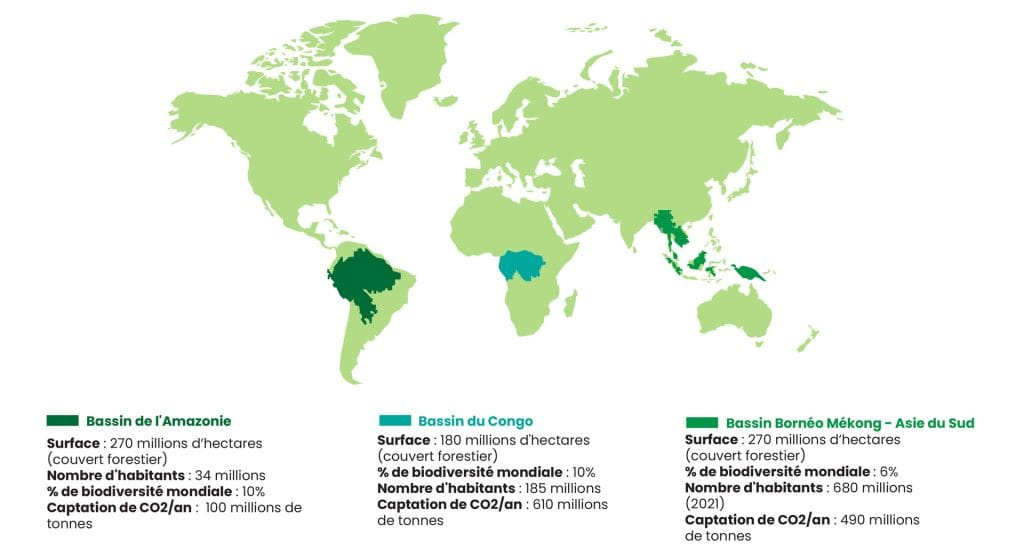
The Three Basins Declaration that came from the 2023 Summit outlines the following details about the rainforested area covered by the three basins — and the shared threats they face:
The Amazon Basin:
The Amazon is home to an estimated 390 billion trees from ~16,000 species.
Those trees form the architecture for one of the world's most complex ecosystems, where scientists are still finding undiscovered species of plants and animals.
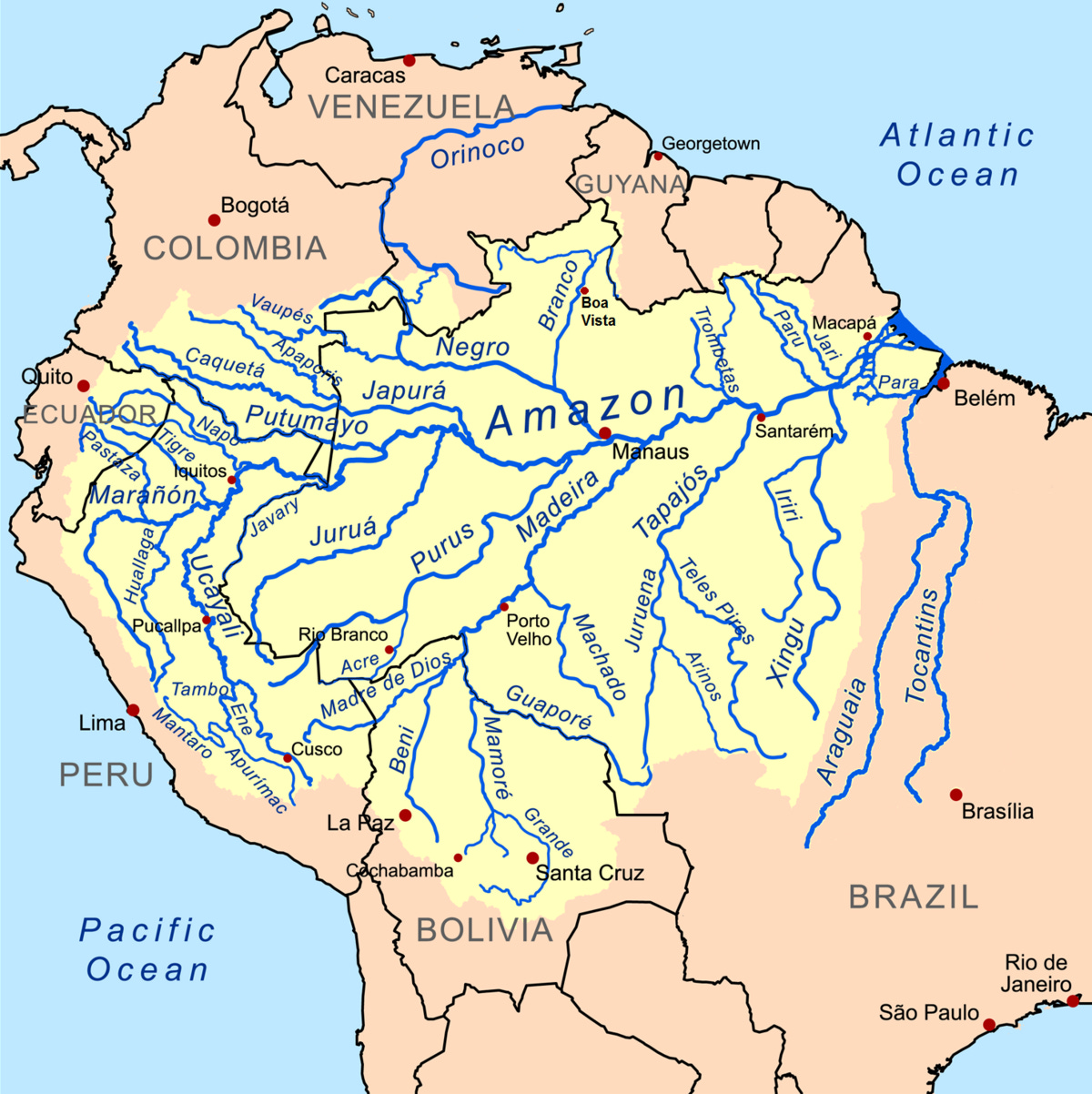
The Amazon is a massive carbon sink.
The trees and plants that compose the Amazon absorb CO2 and turn it into oxygen while storing carbon in their biomass.
In doing so, these rainforests help to regulate the concentration of greenhouse gases in the atmosphere.
The Congo Basin:
The Congo Basin plays a crucial role in regulating rainfall patterns, not only in Africa but around the world.
The dense vegetation of the rainforest influences the water cycle by releasing water vapor through a process called transpiration.
This moisture is then transported by wind currents, contributing to the formation of clouds and precipitation in distant regions.
The interconnectedness of ecosystems means that disruptions in one area can have cascading effects globally.
The Congo rainforest absorbs over 1.5% of the world's annual carbon emissions.
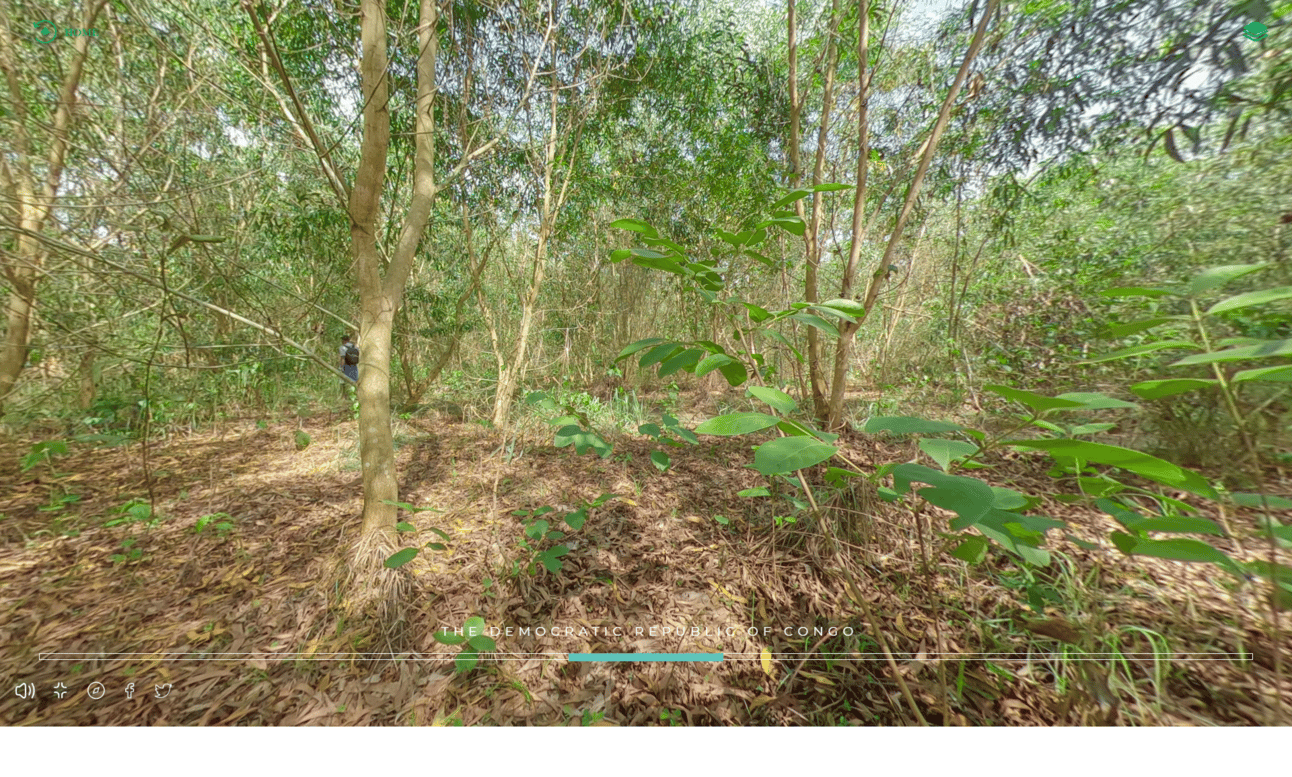
Plus: Try out a 3D Tour of the Congo with information about the rainforest and the countries it spans.
Borneo-Mekong Asian Rainforest:
This is the smallest of the three rainforests, but it also covers some of the most densely populated parts of the Earth.
Over half a billion people from Myanmar, Laos, Thailand, Cambodia, Vietnam, the Philipines, Malaysia, Indonesia, and Papua New Guinea live in this rainforest basin.
It’s also home to iconic animal species like the orangutan and Sumatran tiger.
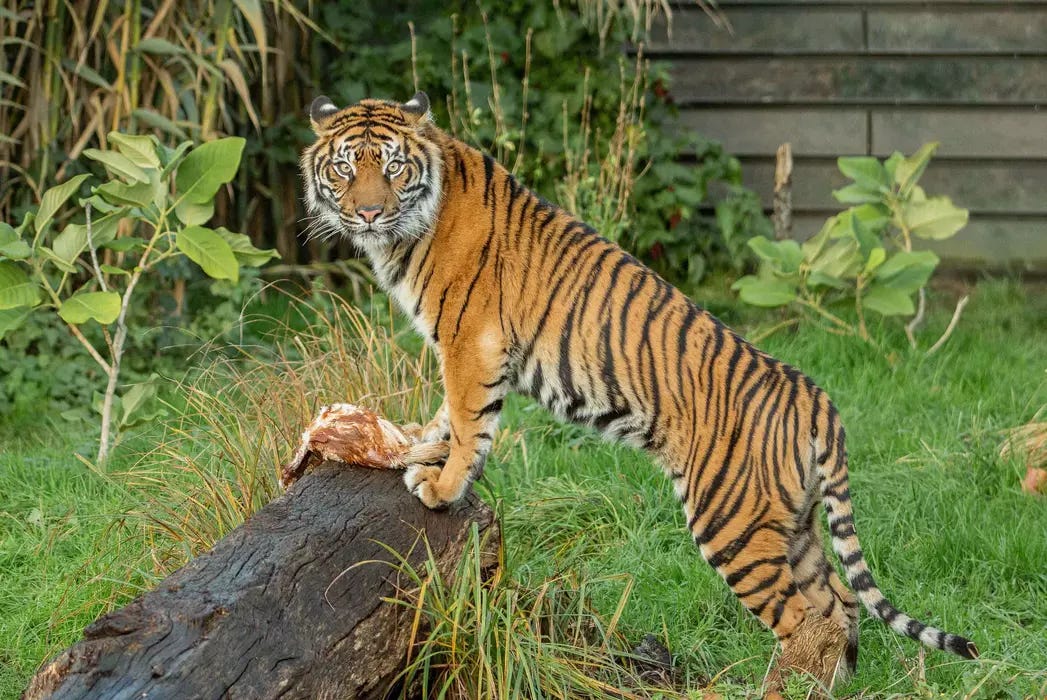
Southeast Asia is home to nearly 15% of the world's tropical forests and 17% of global wildlife.
Over 380 new species of animals have been discovered in Southeast Asian rainforests in recent years.
Rainforest Threats
Extractive industries like logging and mining are the primary threats to rainforests in all three basins.
The allure of fertile land for agriculture, valuable timber, and urban expansion has led to vast swaths of pristine rainforest being cleared.
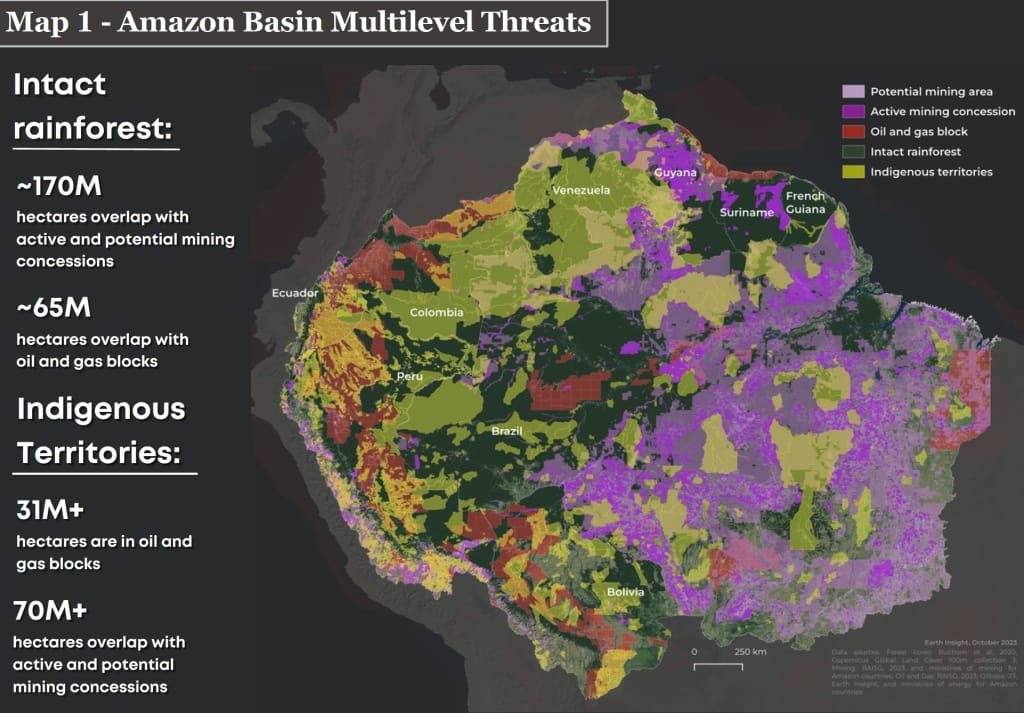
Between 2018 and 2023, Amazon may have lost up to 23.7 million hectares of forest - an area roughly the size of the United Kingdom.
The discovery of oil and minerals like nickel has accelerated rainforest destruction across South America, Africa, and Asia.
Mining not only clears land but also pollutes soil, water, and air.
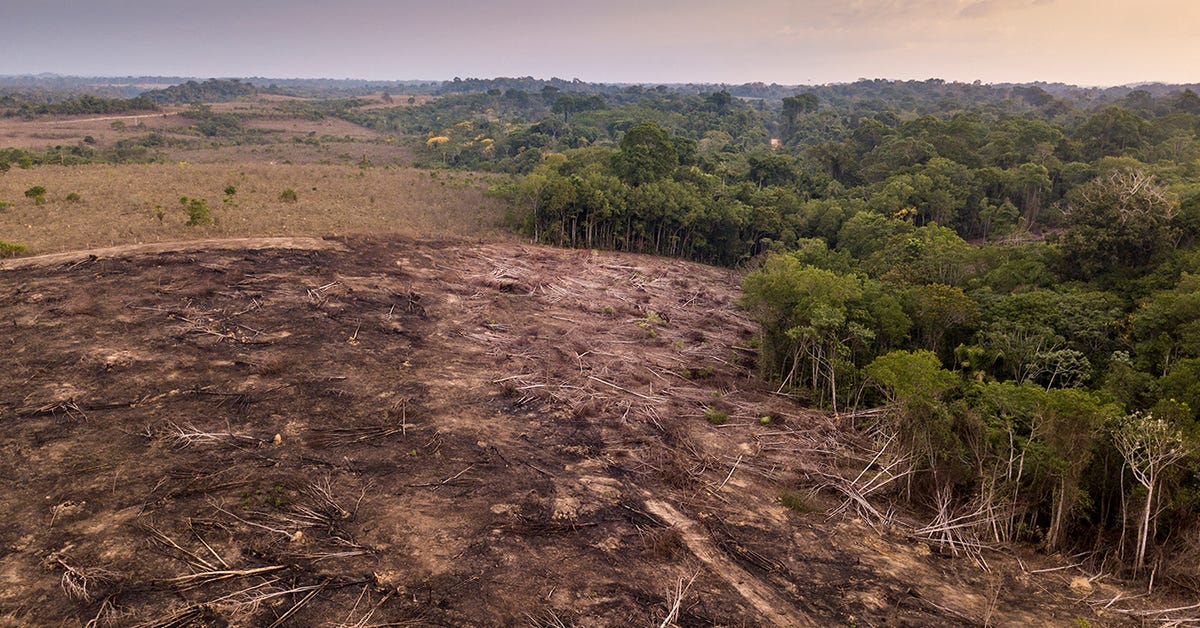
Roads and extraction sites open remote areas to further damage, triggering illegal logging, poaching, and land grabs.
These cascading effects threaten biodiversity — rainforests house 80% of the world’s terrestrial species — and put countless plants and animals at risk of extinction.
Deforestation also disrupts the water cycle, intensifying droughts, floods, and extreme weather.
Local communities bear the brunt, facing reduced water access, lower crop yields, and growing climate vulnerability.
LEARN MORE: If you’re interested in the ways that local communities from across the Three Basins are fighting back against deforestation and mining, check out the Environmental Investigation Agency’s Three Basins, Three Battlegrounds report.
ART OF THE DAY