
What do we lose when ancient forests die? 🍂
& why are old-growth forests disappearing across the planet?

Ever heard of ancient forests?
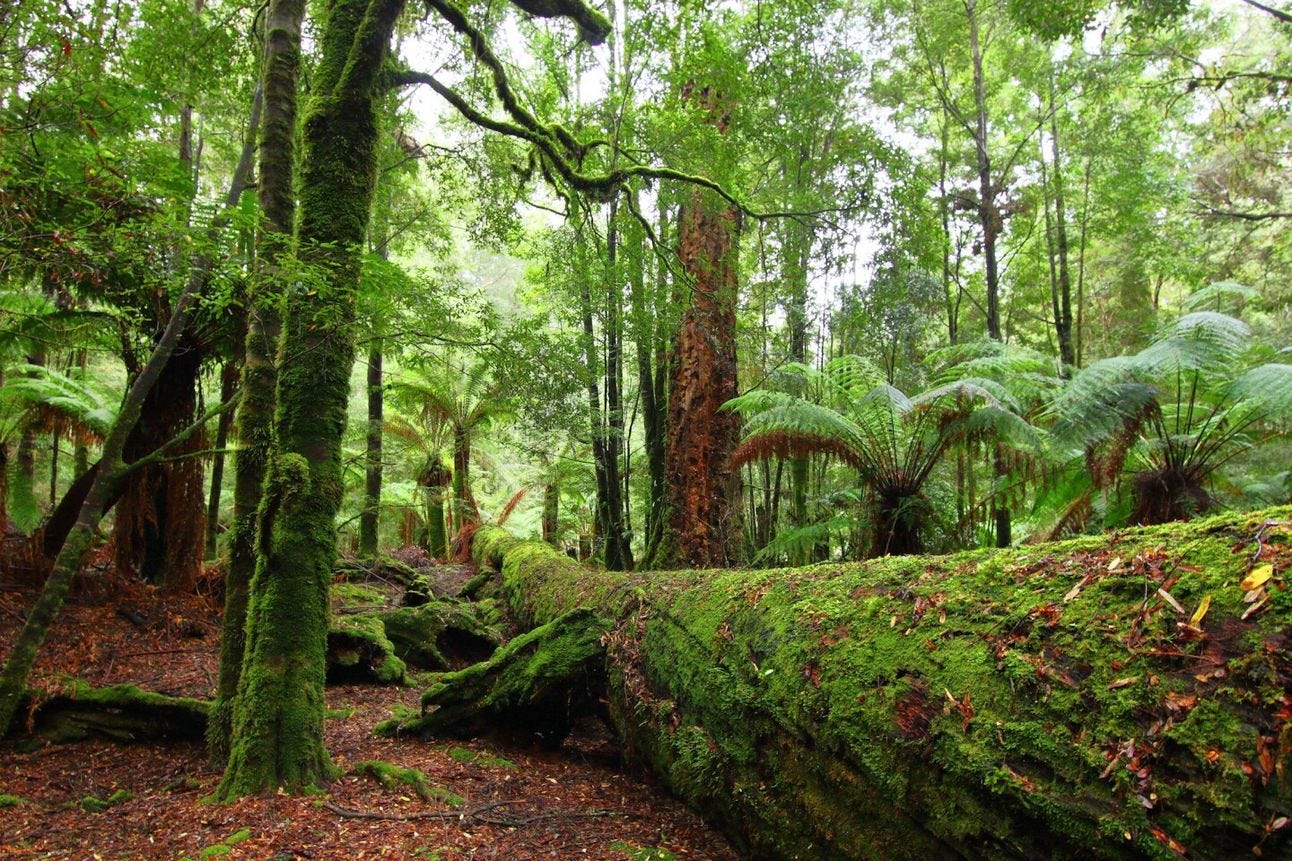
Ancient forests (also known as old-growth forests) are generally defined as forests that have grown for centuries without human interference.
The U.N. defines old-growth forests as:
“naturally regenerated forests of native tree species, where there are no clearly visible indications of human activities and the ecological processes are not significantly disturbed.”
Key facts:
Roughly one-third of all forests on Earth are old-growth forests (roughly 1.11 billion hectares)
About 60% of existing old-growth forests can be found in Brazil, Canada, and Russia
Since 1990, more than 81 million hectares of old-growth forest have been destroyed.
Thankfully, the pace of ancient forest deforestation slowed by more than 50% between 2010 and 2020 compared to the pre-2010 deforestation rate.
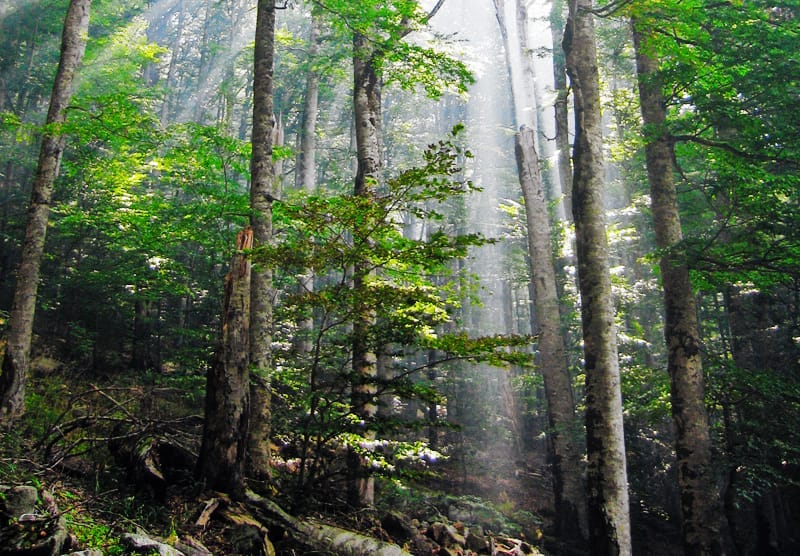
Only 20% of the old-growth forests that once existed on Earth are still standing today.
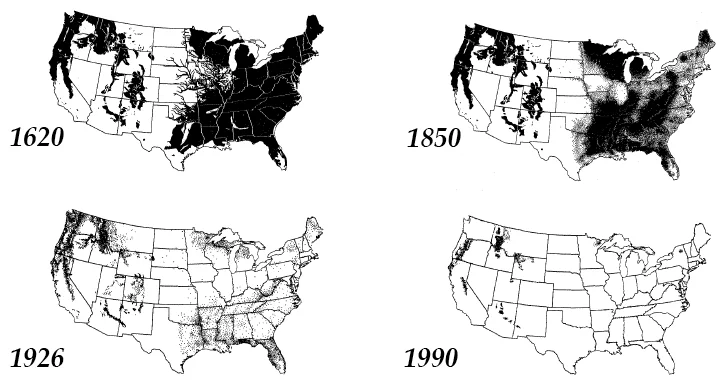
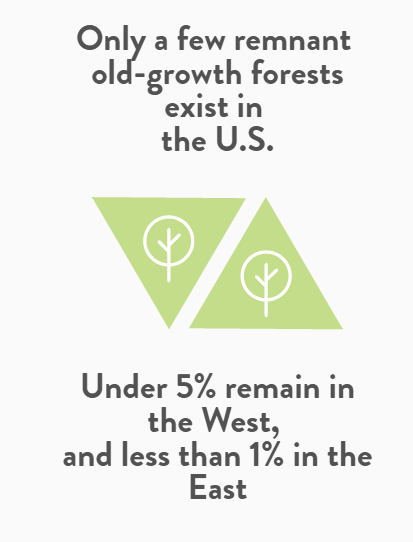
Much of Western Europe’s old-growth forests were cut down before the Middle Ages, while over 90% of the old-growth forests that once existed in the United States have been destroyed since America’s colonization.
The map below tracks the long-term destruction of America’s old-growth forests:
Old-Growth Advocacy: Biologists like Joan Maloof are working to raise awareness of the ecological and cultural importance of old-growth forests.
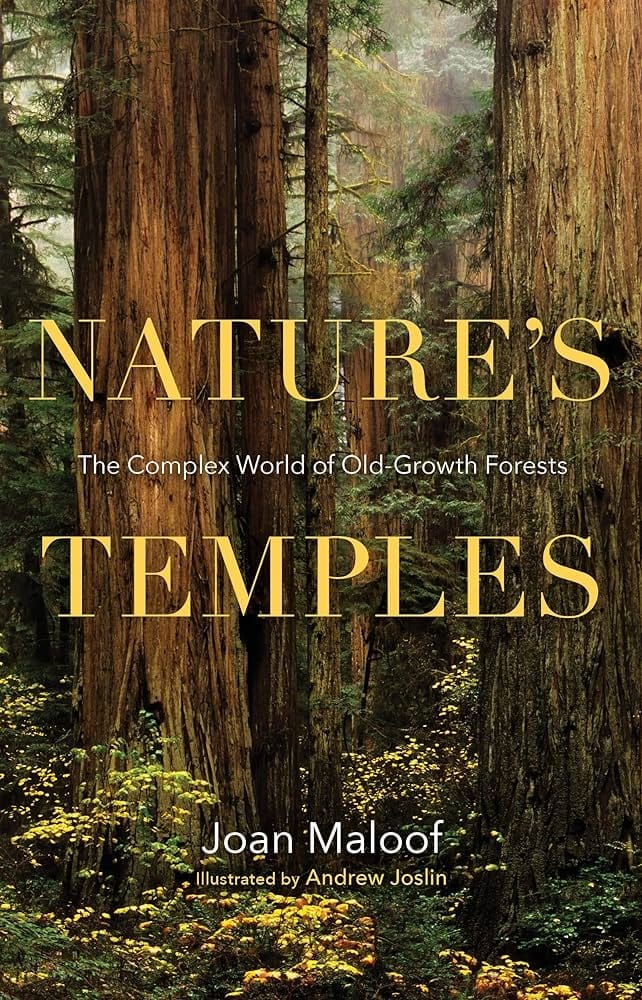
Her 2023 book Nature’s Temples: The Complex World of Old-Growth Forests makes an “impassioned case for the importance of ancient forests and their preservation.”
In another book, Among the Ancients, Maloof writes about twenty-six different old-growth forests across twenty-six U.S. states.
Each chapter documents the unique features of each forest while telling the stories of the local people who stood up to loggers who sought to cut the forests down.
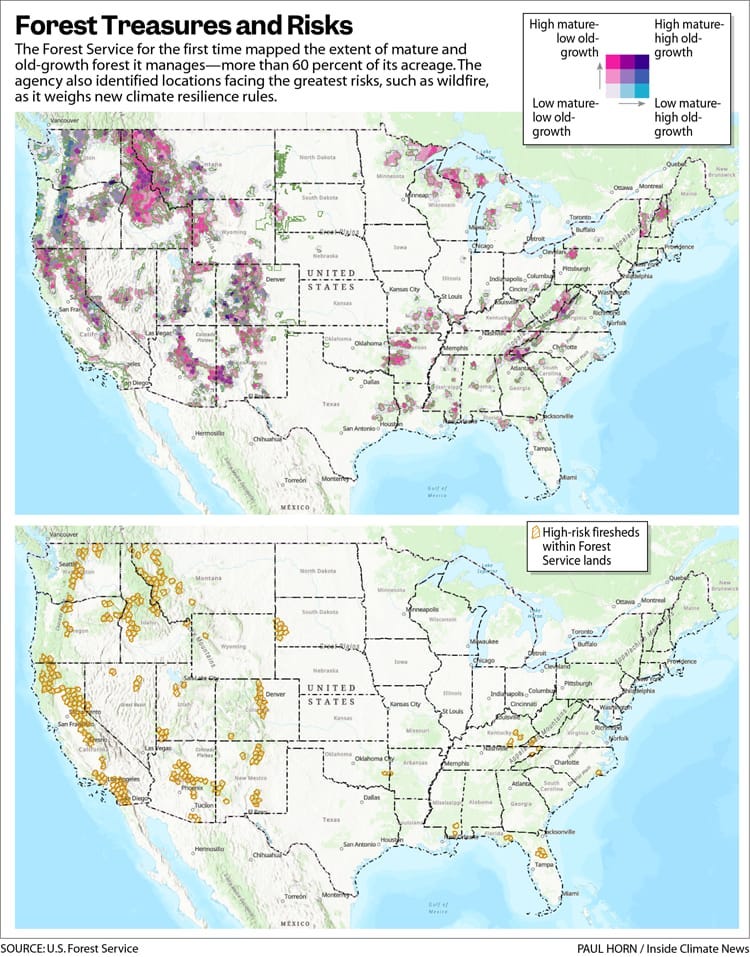
Maloof started the Old-Growth Forest Network to unite people around forest preservation.

Her group provides an exquisitely detailed explanation of why old-growth forests are so crucial to the environment:
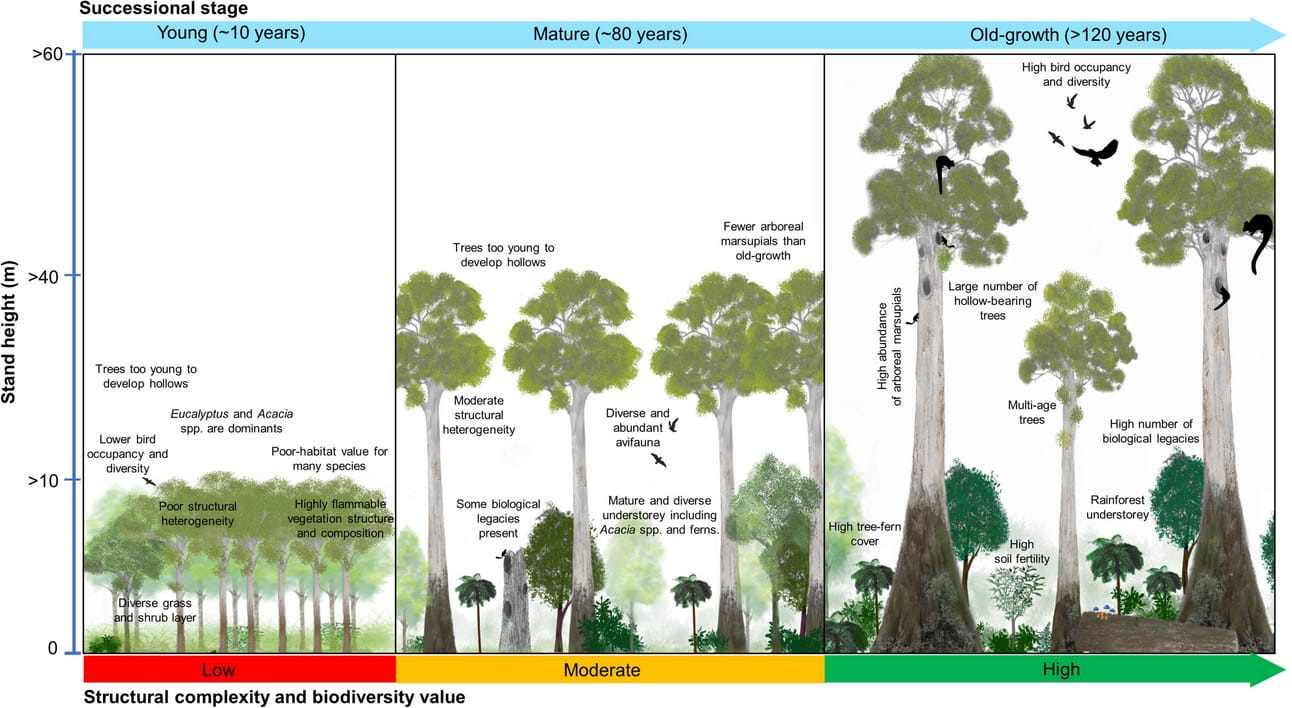
All forest stages have an important ecological role to play. The old-growth stage is especially important because of its unique structure.
Various canopy layers and berry-producing plants are beneficial for many bird species. In a forest that has not been disturbed for hundreds of years some trees will develop hollow cavities. These cavities become important nesting places for animals.
In an undisturbed forest some large trees will die and fall, creating yet more habitat: numerous insects, fungi, reptiles and amphibians benefit from the fallen trees.
The moisture retained within an old-growth forest benefits lichen and mosses, and the species that live among the mosses and lichens.
Old-growth forests are one of the few land uses where topsoil is created instead of destroyed.
More carbon and nitrogen is retained in an old-growth forest than in forests of other age classes.
For improving water quality and air quality there is nothing better than an old-growth forest.
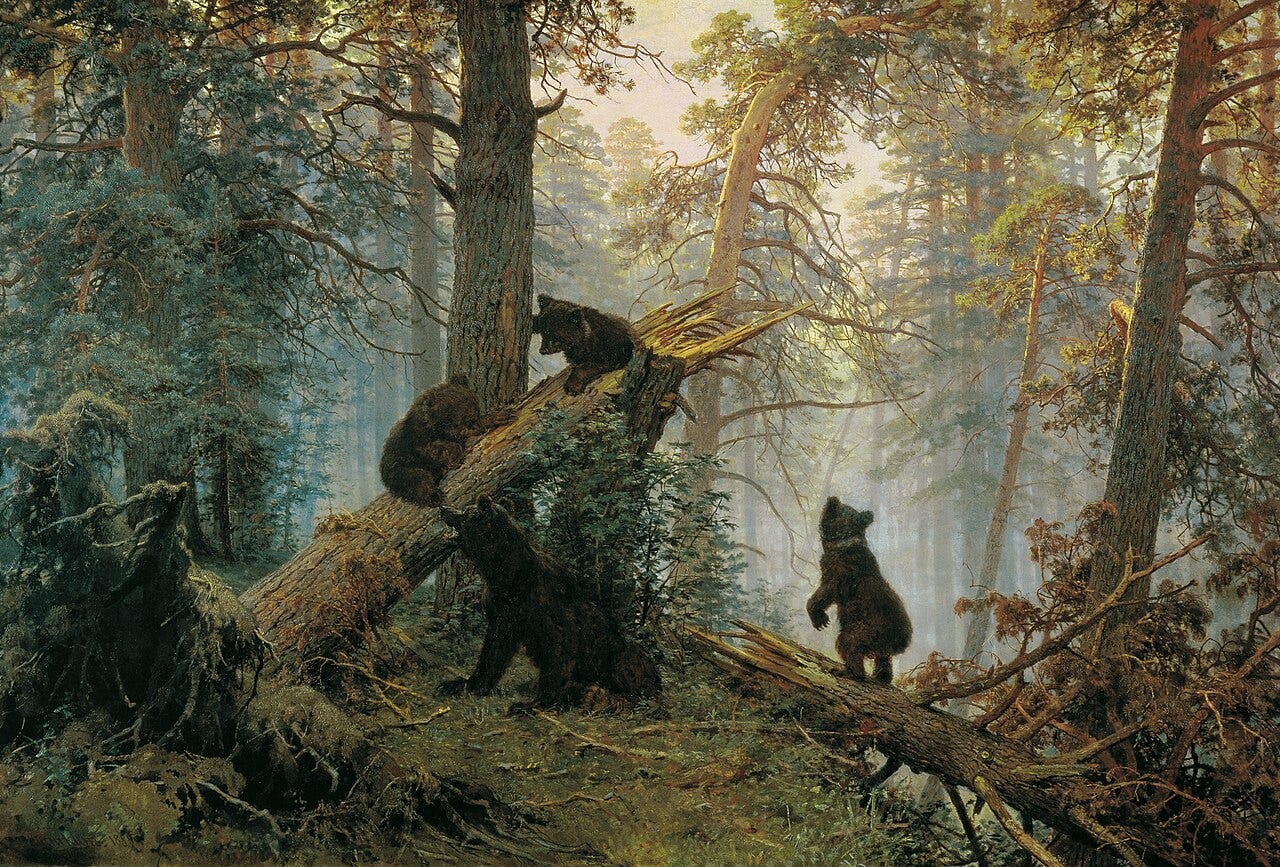
ART OF THE DAY
Thanks for reading the Daily Concept. If you enjoyed this newsletter, forward it to a friend. Please reply to this email if you have any thoughts or feedback :)
Yours,
Dan Smith, Founder & Editor-in-Chief of the Daily Concept
Superb breakdown on old-growth forests and why they're irreplaceable. The stat about only 20% of Earth's ancient forests remaining is staggering, especially when you consider how slowly these ecosystems develop their complex structure. The detail about lichens and mosses thriving in the moisture-rich environment stuck with me - I'd read somewhere that certain lichen species only grow on centuries-old trees and actually serve as indicators for forest age. Joan Maloof's work mapping out those 26 different forests across US states sounds fascinating, kinda makes me wanna visit atleast a few before more get lost.